

CircleRestora™ Foundations
A foundational restorative justice training that helps participants Understand Restorative Justice 101 basics: What is restorative justice, why is it being considered in schools, workplaces, justice systems, what are key terms and concepts that you need to know, and what are the core practices, strategies and approaches that exist in the realm of restorative justice.

4.96 Stars | 2573 Reviews
Key benefits
✔ Build a deeper understanding of restorative justice and its foundational principles
✔ Examine how different values shape responses to conflict, harm, and accountability
✔ Connect restorative practices to workplace, institutional, and community systems

Quick Facts About CircleRestora™ Restorative Justice Systems
-
This course is available in:
Live Online Format - We facilitate the course on Zoom.
Live Onsite Format - We come to your office or training space, bring everything needed for a memorable experience, and facilitate the session
-
Live Onsite | Live Online - 2 hours- 4 hours
Can be delivered in multiple parts
Can be condensed
-
Program Leaders
Teachers
Principals
Staff
Supervisors
Managers
Leadership
Any person on your team who works with others or people in the community.
-
Recommended Group Sizes
25-30 per training (recommended)
We offer smaller group and single person live onsite & live online trainings
We offer large group trainings onsite and online from 100+ people
-
Optional Certificate of Completion for live onsite and live online.
What CircleRestora™ Restorative Justice Systems Teaches
CircleRestora™ Restorative Justice Systems is a foundational training that invites participants to critically examine what restorative justice means and why implementing it requires more than adopting a set of practices. Participants explore the meanings of restorative and justice, including the subjective ways people define what is fair, moral, right, or deserved.
Participants examine the values and beliefs underlying authoritarian injustice, punitive justice, and restorative justice. Through reflection and comparison, they consider how these systems understand harm, accountability, decision-making, relationships, and the purpose of responding to conflict.
The training also helps participants connect their personal values and lived experiences to the systems operating within their workplaces and institutions. Participants then explore different restorative justice practices and how restorative values can be translated into more intentional responses to conflict, harm, and community needs.
Pillar 1: Defining Justice
Examine why fairness, morality, and justice can mean different things to different people.
Pillar 2: Systems and Values
Explore the values underlying authoritarian, punitive, and restorative approaches.
Pillar 3: Restorative Practice
Connect restorative principles to practical responses to conflict and harm.

Learning Outcomes
Define restorative justice and critically examine the meanings of restorative and justice.
Explain how subjective ideas about fairness, morality, and what is right can shape conflict.
Compare the values and principles underlying authoritarian injustice, punitive justice, and restorative justice.
Reflect on how personal values and lived experiences influence responses to harm and accountability.
Identify restorative justice practices and explain how they reflect restorative values and principles.
Tools Participants Learn
Participants leave with practical tools including:
A framework for critically examining definitions of justice
A comparison of authoritarian, punitive, and restorative systems
Values-based reflection for conflict and decision-making
Tools for identifying the principles guiding workplace practices
A framework for connecting restorative values to restorative practices
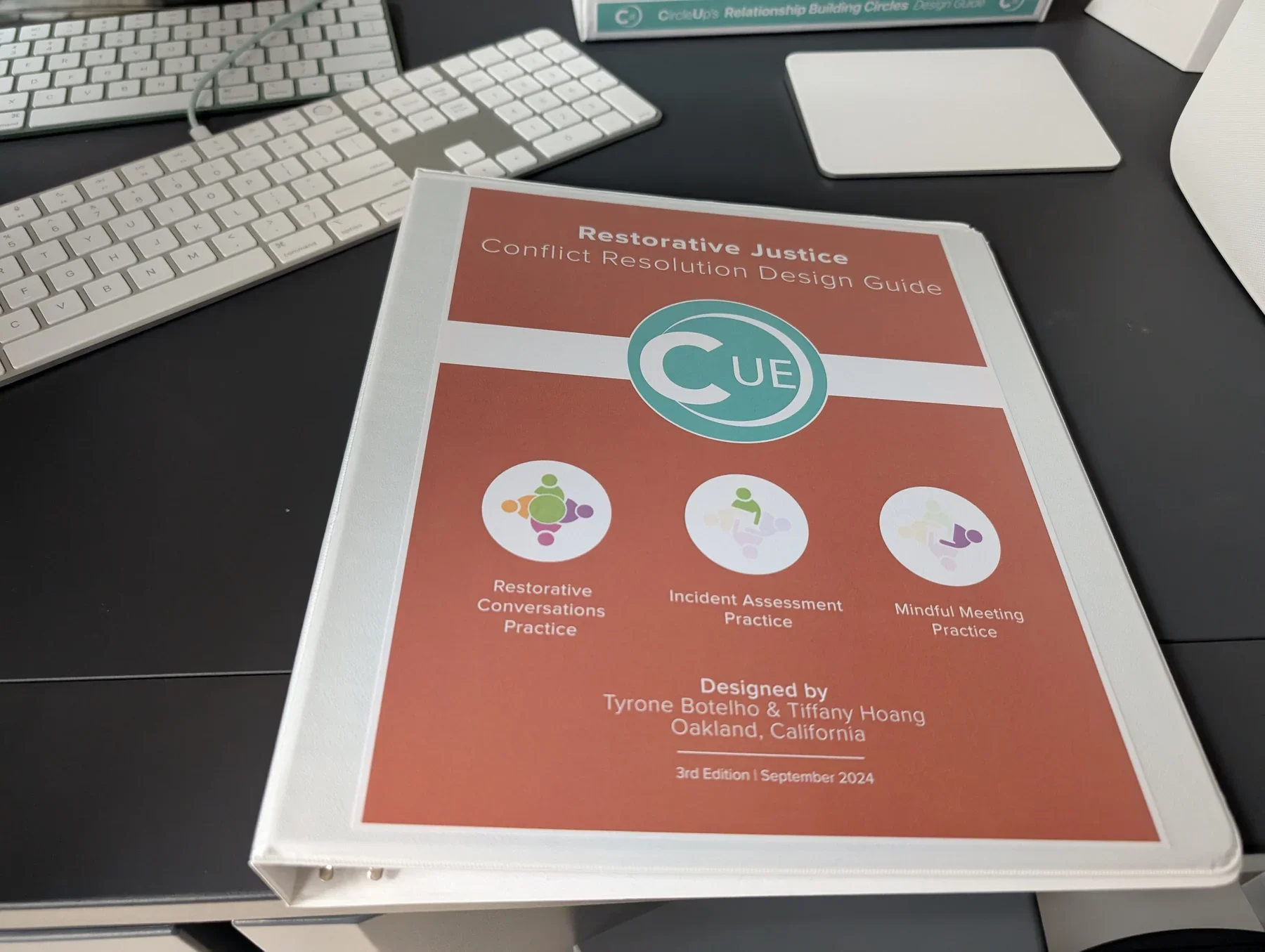

Who is CircleRestora™ Restorative Justice Systems For?
This training is Ideal For
School staff, counselors and leaders
School district staff and instructional leaders
Social workers and service coordinators•
Employees and frontline staff
Supervisors and managers
HR and training leaders
Cross-functional teams
Available Training Formats
Live Online Training
Facilitated workshop delivered via Zoom.
Live Onsite Training
Facilitated workshop delivered in person at your site.
Each option can be customized for your team.

Testimonials
“I had participated in restorative practices before, but this training helped me understand the deeper values behind them. It challenged our leadership team to look beyond the practices themselves and examine what is truly guiding our decisions around fairness, accountability, and harm.”
HR Director“This training completely shifted how I think about justice. I realized that people can enter the same conflict with very different ideas about what is fair or right. Understanding that has helped me approach student discipline and staff conflict with much more curiosity and intention.”
School Administrator“What stood out was the connection between personal values and organizational systems. The training helped us recognize where our stated restorative values were not always reflected in our policies or responses, and it gave us a stronger foundation for changing that.”
Program Director
People Interested In CircleRestora™ Restorative Justice Systems Also Purchased…
ChatterMatter™
Building trust, inclusion, and communication through simple relationship tools.
Call-In Card™
Learning to call people “In” when implicit bias, or questionable actions occur.
Implicitly Yours™
Master the basics of explicit and implicit bias in the workplace and how to identify work related bias.
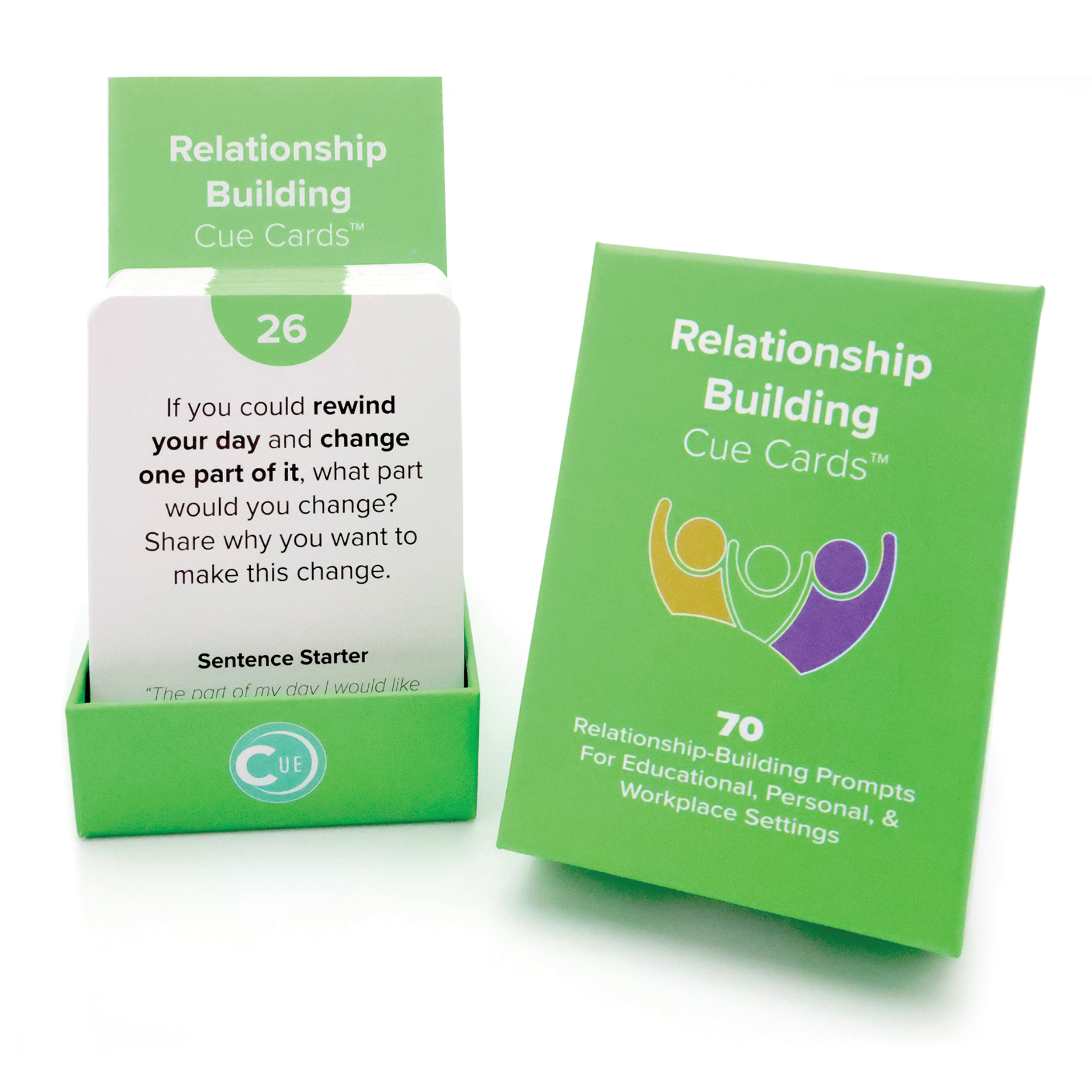
Relationship Building CUE™ Cards
The Feeling Wheel

Contact Us About CircleRestora™ Restorative Justice Systems Schedule Your FREE 30-minute assessment meeting today!
Let’s Connect Today!
Hours
Monday–Friday
7am–7pm Pacific Standard Time
Phone
(510) 470-5290
Location
Oakland, California | & Your City!